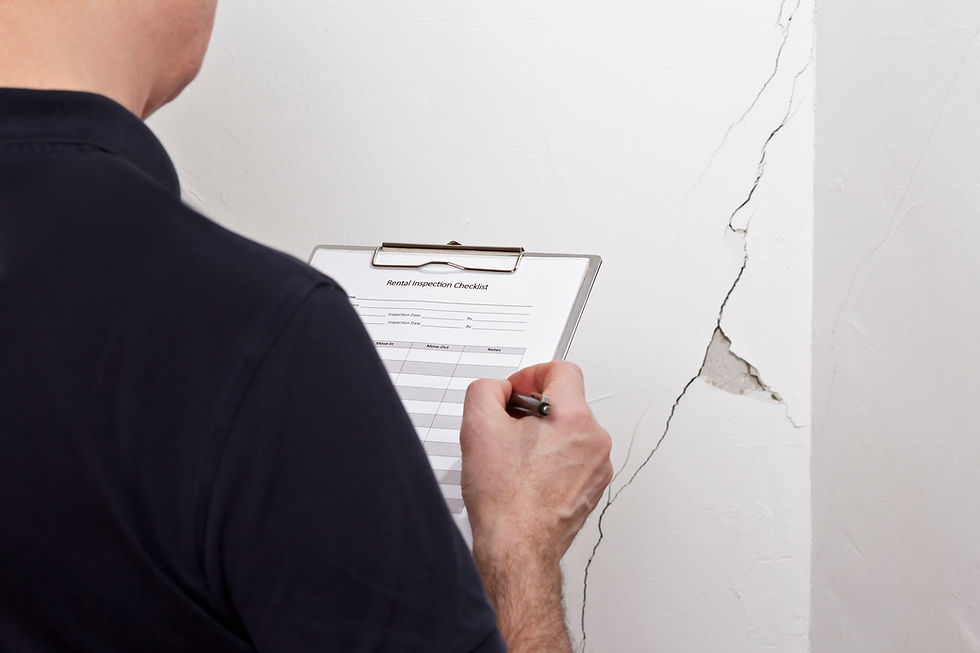
Cracks in Walls: When to Worry

Cracks in walls are one of the most common issues property owners notice, yet they’re also one of the most misunderstood. While many cracks are cosmetic and harmless, others can signal deeper structural concerns that need urgent attention.
At OMNIA, we specialise in identifying the cause of building defects and providing practical solutions. In this guide, we explain which cracks are normal, which cracks indicate a serious problem, and when you should call in an expert.
What Causes Cracks in Walls?
Before deciding whether a crack is a cause for concern, it’s important to understand what might be causing it. Common reasons include:
Thermal expansion and contraction
Natural settling of a building over time
Damp or moisture ingress
Subsidence or heave
Poor construction or inadequate foundations
Vibration from heavy traffic or nearby works
Structural movement due to tree roots
A crack’s size, pattern, and location provide clues about the underlying issue, which is why a professional inspection is often essential.
When Cracks in Walls Are Usually NOT a Cause for Concern
Some cracks are simply part of a building’s natural behaviour. Minor, non-structural cracks typically include:
1. Hairline Cracks (<1mm wide) Often caused by shrinkage in plaster or minor temperature changes. These can usually be filled and repainted without further concern.
|  |
2. Vertical Cracks Above Doors or Windows Small vertical cracks often appear at weak points in plasterboard or older masonry. They’re mostly cosmetic unless they widen over time. |  |
3. Cracks in Newly Built Buildings New buildings tend to settle during the first few years. Light cracks are normal as the building stabilises. Although these cracks are not usually dangerous, ongoing monitoring is still recommended, especially if changes occur. |  |
Although these cracks are not usually dangerous, ongoing monitoring is still recommended, especially if changes occur.
When Cracks in Walls ARE a Cause for Concern
Certain cracks can indicate structural movement, foundation problems, or serious building defects. These should be investigated by a qualified building surveyor as soon as possible.
1. Cracks Wider Than 5mm Any crack wider than a standard pencil should trigger concern. These may suggest movement in the structure or foundation. |  |
2. Stair-Step Cracks in Brickwork Diagonal, stepped cracks often point to subsidence or foundation failure. This is particularly important if accompanied by sticking doors or sloping floors. |  |
3. Horizontal Cracks Horizontal cracking can be a sign of significant structural stress, or even wall instability. |  |
4. Sudden or Rapidly Growing Cracks If cracks appear out of nowhere or expand quickly, this can indicate active movement and should be assessed urgently. |  |
5. Cracks Combined With Other Symptoms Be extra cautious if cracking is accompanied by:
|  |
These are red flags that shouldn’t be ignored.
Common Structural Problems Linked to Cracking
Subsidence
This occurs when the ground beneath a building sinks, causing unsupported sections to shift. Cracks from subsidence often appear diagonally, especially around door and window openings.
Heave
The opposite of subsidence, the ground swells, pushing the building upward. Often caused by clay soils absorbing moisture.
Lintel Failure
If a lintel above a window or door deteriorates, cracks can appear in the surrounding area. This can worsen rapidly and affect structural stability.
Damp-Related Damage
Moisture weakens plaster and masonry, leading to cracking, crumbling, or surface erosion.
How OMNIA Can Help
At OMNIA, we offer expert assessments to determine the cause and severity of wall cracks.
Our services include:
Full structural and defect surveys
Subsidence and movement investigations
Moisture and damp analysis
Masonry and building fabric inspections
Remedial repair recommendations
Project management for repair works
We don’t just identify the problem, we provide clear, actionable solutions that protect your property long-term.
Should You Be Worried? A Simple Rule of Thumb
Hairline crack?
Usually cosmetic.
Crack wider than 5mm, diagonal, or horizontal?
Get it checked promptly.
Crack growing quickly?
Seek expert help immediately.
If in doubt, always consult a professional. Early intervention can prevent costly structural repairs later on.
Concerned About Cracks in Your Building? We’re Here to Help
If you’ve spotted cracks and are unsure whether they’re harmless or serious, OMNIA can provide an accurate assessment and peace of mind.
Contact us for a Building Condition or Structural Survey.